Search Wildlife

≡

(Tap or click to view all images.)
Photo by Marjorie Stolhand; Benjamin Gibbons; Benjamin Gibbons; Mindy Wheeler
Photo Courtesy of Utah Division of Wildlife Resources; Utah Division of Wildlife Resources; UNHP; UNHP; UNHP; Sources: ESRI, USGS, NOAA
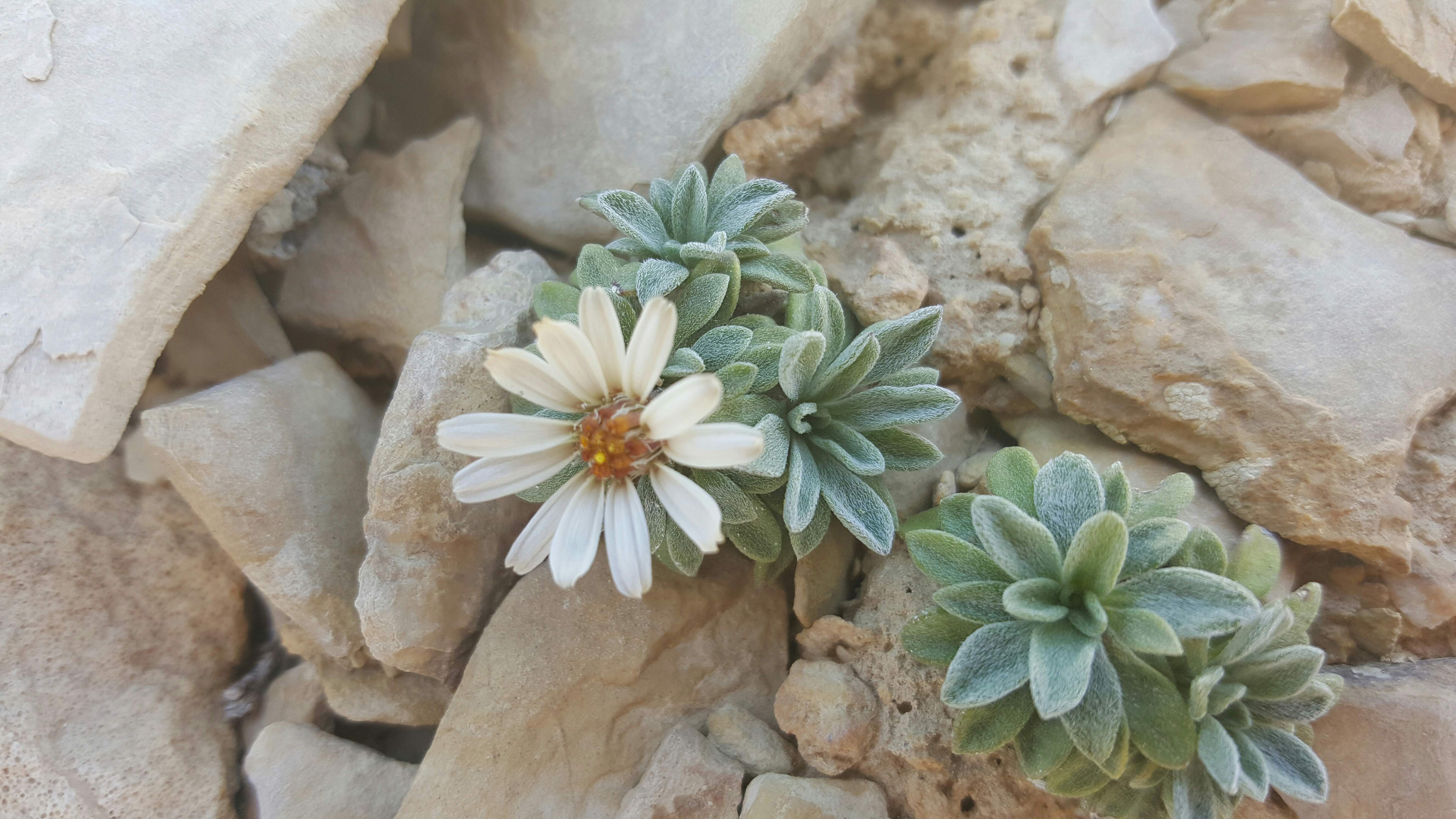
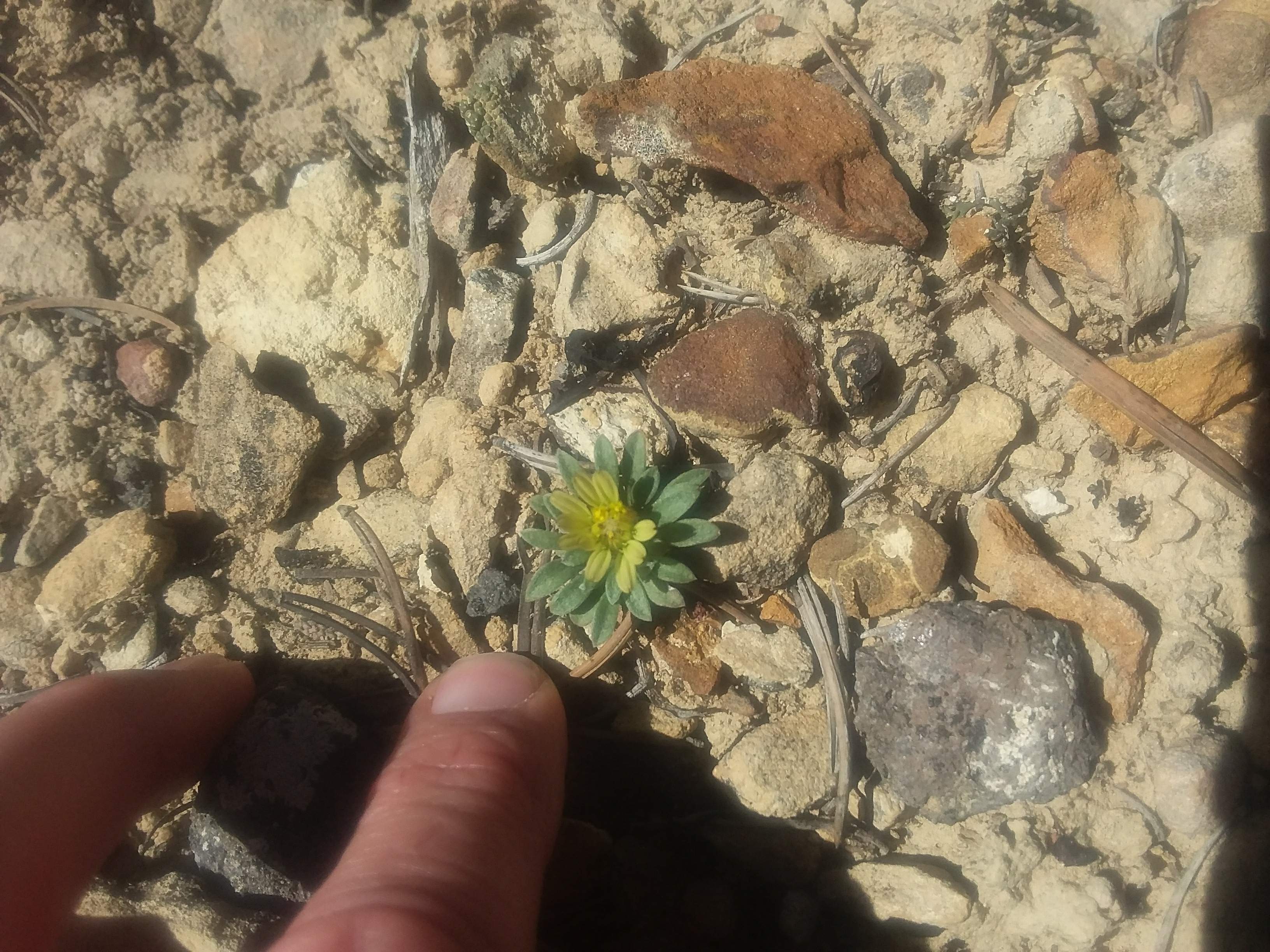
Last Chance Townsendia
Townsendia aprica
NatureServe conservation status
Global (G-rank): G2
State (S-rank): S2
External links
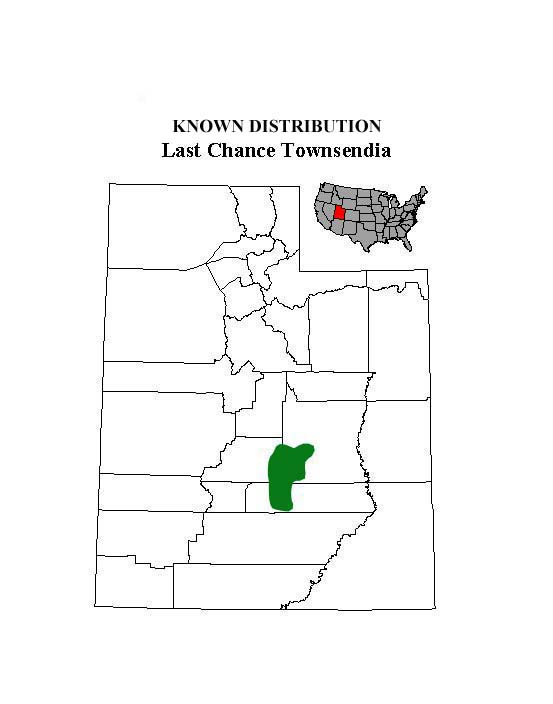
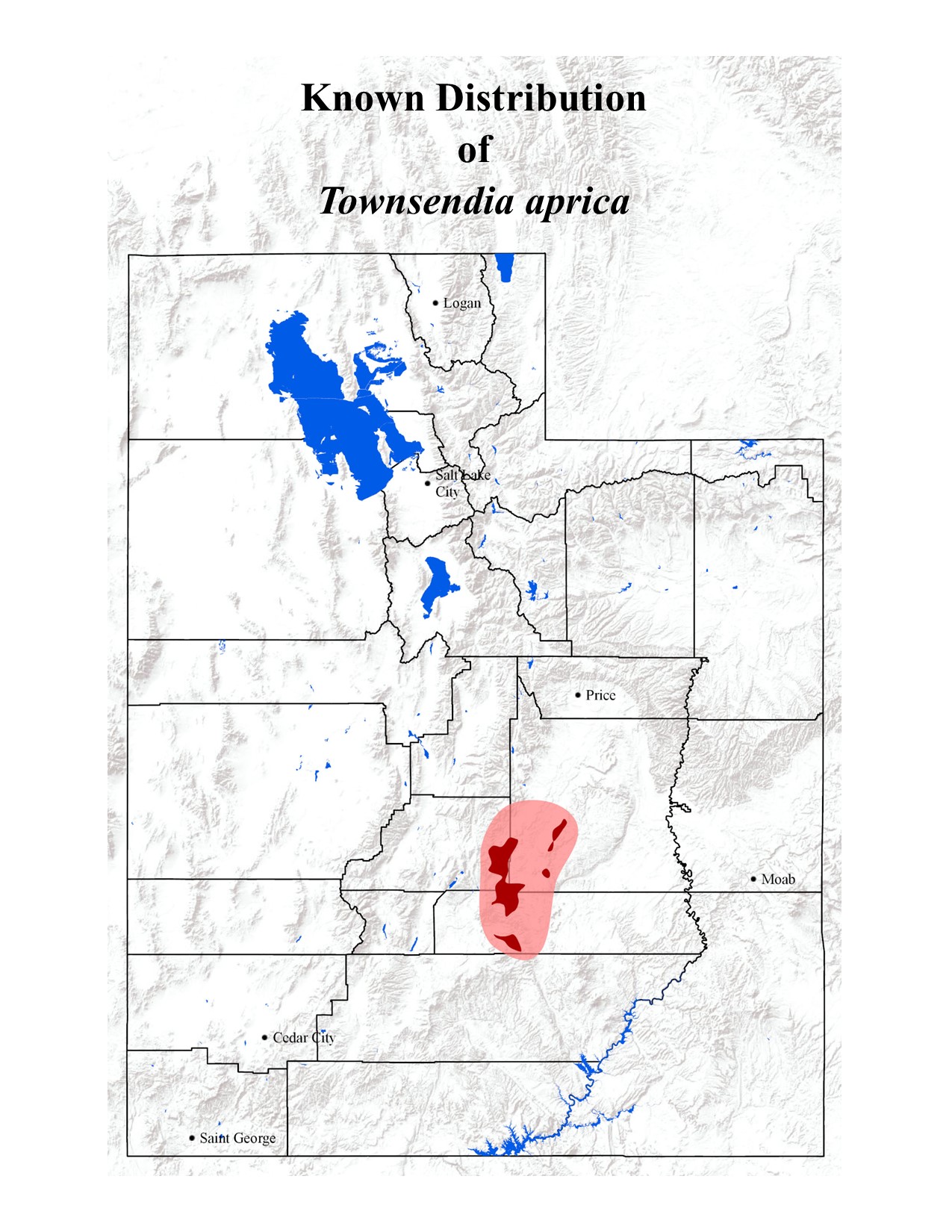
Species range
Castle Valley saltbush and pinyon-juniper communities, commonly on clay or clay-silt exposures of the Cretaceous Mancos Shale (Blue Gate Member), at 1860 to 2440 m in w. Emery and adjacent e. Sevier, and immediately adjacent w. Wayne cos.; A Navajo Basin endemic (Welsh et al. 2015)
Estimate from download of data from Utah Rare Plant Database on August 20 2021.
Geocat 205 observations: Extent of Occurrence: 2,711.516 km2.
Threats or limiting factors
Threats include coal mining and oil and gas exploration, ORVs, cattle grazing and trampling, damage from wild burros, and highway construction. The most serious threats at this time are coal mining and gas exploration and cattle grazing. Most sites have 2-3 threats per site (USFWS, 2013). Cattle and range improvements effect 90% of known occurrences. Includes: direct physical injury and mortality in individuals, vegetation disturbance, soil removal disturbance, erosion, and disturbance to pollinators (USFWS 2013).