Dealing with drought
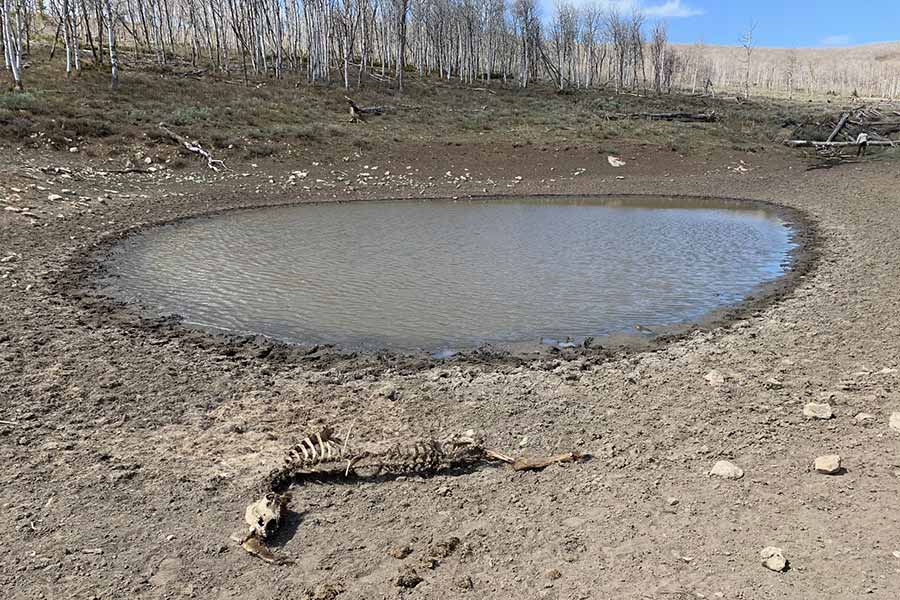
Drought affects many fish and wildlife species and can impact their population numbers. In a nutshell, it may lead some animals to seek food and water in urban areas, causing conflicts with humans. More animals may die due to competition for increasingly limited resources.
This page is a resource for describing the effects of Utah's current drought on wildlife in the state, as well as explaining how the Utah Division of Wildlife Resources is working to try and mitigate these effects.
For more information on current drought conditions across the state, visit drought.utah.gov. For information on the 2021 drought impacts on wildlife, visit wildlife.utah.gov/drought/2021.html.
Wildlife
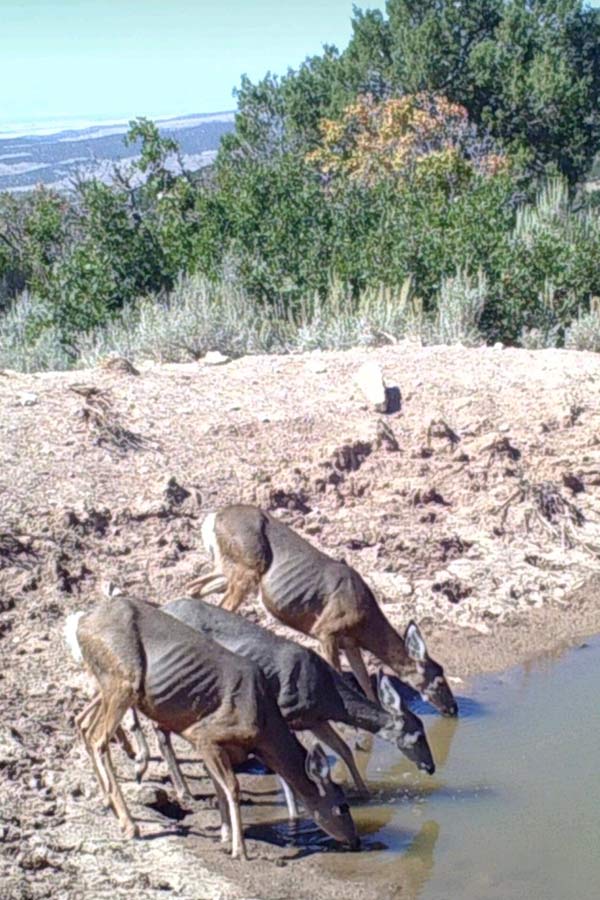
Pahvaunt Unit, Millard County, May 2021
Deer and other big game species can be severely affected by drought. The limited availability of food and water can lead to a reduced number of newborn fawns and fewer fawns that survive their first year. The harsh conditions can also reduce the number of huntable buck deer and result in lower overall deer population numbers.
Drought can also impact antler growth for buck deer because a sparse food supply provides fewer nutrients, which bucks need to grow antlers. Pregnant does also struggle with the decreased food supply during drought years, and if their body condition is poor during pregnancy, their male offspring may have relatively smaller antlers, even after reaching maturity.
Deer and other wildlife can end up in your yard or garden to find food, although there are ways to deter them. It is important that you not try to feed animals such as deer, moose or bear yourself, as you may cause more harm than good. The animals could become habituated and lose their natural fear of people, or they could attract predators.
The best way to help wildlife is to leave them alone and let them stay wild. If, however, you see an animal that looks sickly, is injured or is acting aggressively, you should report it to the nearest DWR office. (Here are other common wildlife scenarios where you should contact the DWR.)
Fish
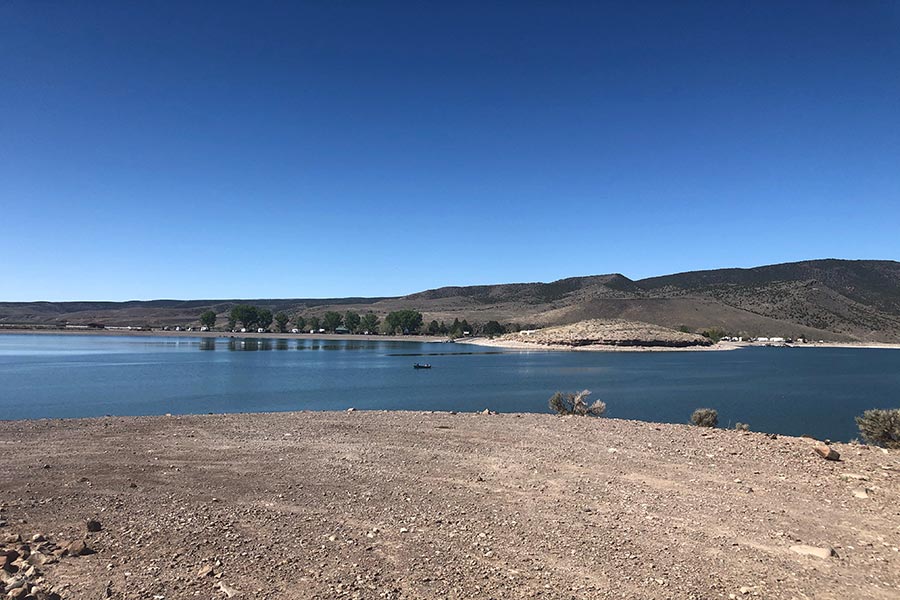
Otter Creek, May 2021
Drought impacts fish by reducing the amount of water available in lakes, reservoirs and streams. Less water heats up more quickly and has less oxygen, stressing the fish and causing more to die. Trout in low-elevation waterbodies are most likely to be impacted by drought, although all fish species can be affected.
If you like to fish, you should visit your favorite lakes and reservoirs as early and as often as you can. Water levels at some places could be so low in the summer that boat ramps won't be functional. Also, go fishing in the mornings and evenings when temperatures are cooler. And if you release your fish, do it in deeper, cooler water so they are more likely to survive.
DWR's ongoing efforts to mitigate the impacts of drought
The DWR works proactively to reduce the effects of drought to fish and wildlife, including monitoring the following:
- Range conditions
- Competition between elk and deer
- Impacts to agricultural lands
Additional resources
- 5 new conservation projects funded by Utah Cutthroat Slam to benefit native trout in Utah in 2026
- Latest avian flu outbreak impacting wild birds throughout Utah
- 3 places you can see swans migrating through Utah in March
- Attend 2 upcoming events to see waterfowl, other migratory bird species in Utah
- Want to try hunting? Take a hunter education class or enroll in Utah’s Trial Hunting Program
- USFWS approves new Utah Wildlife Action Plan to help native species
- DWR, UDOT and other partners complete 11 projects, 1 study to help wildlife and fish safely migrate across Utah in 2025
- DWR Dedicated Hunter volunteers complete over 1,100 projects in 2025 to benefit wildlife