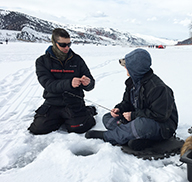
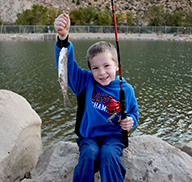
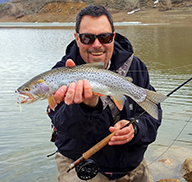
Spring is the perfect time to organize your fishing gear, refill your tackle and fly boxes, and plan for a fun excursion on Utah's scenic waters. Fishing really amps up with the melting ice, but visitor usage usually doesn't pick up until Memorial Day weekend. So if you enjoy the opportunity to catch fish and need to get away from the ratrace, Utah definitely has fishing opportunities for you.
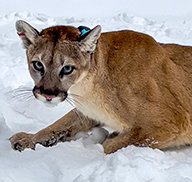
I enjoy my time studying each species I work with, but none have challenged me quite like cougars. Every time we learn something new about cougar behavior or ecology, it only generates more questions about this species.
As a fishery manager, I'm always thinking of ways that I can make fishing better for Utah's anglers. One of my areas of interest over the past few years has been what we as anglers can do to help the survival rates of panfish caught and then released in deep water.
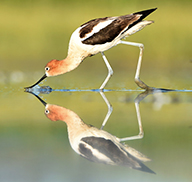
To put it simply, Great Salt Lake is one of the most important wetlands and lakes in the Intermountain West for migratory birds. The preliminary results of our last three shorebird surveys combined show that Great Salt Lake hosts about 47% of the entire Intermountain West's shorebird populations!
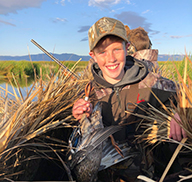
Where do you start when you want to break through the actual or perceived barriers to becoming a safe, confident and successful hunter? Often, one of the biggest challenges for new hunters is finding someone to walk them through the process and pass on their field knowledge and skills. Fortunately, there are many resources available from the DWR and many local and national partner organizations.
Many beginner hunters start developing their skills in the field with upland game or waterfowl hunts, which have relatively long seasons in Utah and usually don't require expensive equipment to get started hunting effectively and safely. Here are some frequently asked questions about how to get started in the exciting and fun sport of shotgun shooting.
We get a lot of questions from hunters asking for tips on which permits and units to apply for and how to find out more about their specific hunt units before they go into the field. Fortunately, the Utah Hunt Planner is a comprehensive tool that can help you prepare for hunts ranging from turkey, to waterfowl, to big game species all over the state.
Published: Wednesday, September 20, 2023, 12:00 pm
Although you may not have an opportunity to hunt during the archery season this year, it's the perfect time to get started learning a new skill, and dedicate the time and energy it takes to become a proficient archery hunter.
Understanding a few basic techniques will help you be successful casting a line, figuring out if you have a fish on the hook, reeling it in and what to do once you've got a fish in your net.
It's a complicated balance of fisheries science, public input and habitat conservation that we consider in order to provide both great angler opportunities and quality fisheries for generations to come. Here are answers to some frequently asked questions about why we manage cutthroat trout in Utah and how we do it.

 Search Wildlife

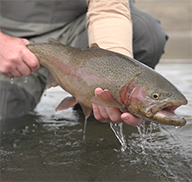 Spring is the perfect time to organize your fishing gear, refill your tackle and fly boxes, and plan for a fun excursion on Utah's scenic waters. Fishing really amps up with the melting ice, but visitor usage usually doesn't pick up until Memorial Day weekend. So if you enjoy the opportunity to catch fish and need to get away from the ratrace, Utah definitely has fishing opportunities for you.